Accessibility Tools
It inspires, attracts and makes you fall in love with it in many different ways. It influences, evokes associations and gives hope. For a hundred years, it has been seizing its opportunity, opening up new possibilities for us. It was and still remains a symbol, an icon, a model, but that is not enough for it. And it boldly adds: ‘I am the dream!’.
The ice sheet retreated from what is now the Polish coast. It left behind an exceptionally diverse landscape. About 6,000 years later, the Baltic Sea began to take shape.
In the area of present-day Gdynia, people left traces of settlement that have survived to this day. If anyone had arrived earlier, archaeology may one day uncover their presence.
At that time, the area was permanently inhabited, with agriculture and livestock farming being developed. People of various cultures came and went for different reasons.
Along the Baltic coast, the Pomeranian culture prevailed, known for urns capturing facial features. A few hundred years later, the culture later called Oksywie developed in the area.
The area of present-day Gdynia has been continuously inhabited for over 1,200 years. Around 1,000 years ago, in case of a raid, people could seek shelter in the stronghold in Oksywie.
The first official mention of Gdynia appears in a document dated 31 October 1253, and no earlier historical source is known (Oksywie was recorded in 1212). In the 13th and 14th centuries, almost all villages—now districts—already existed.
Russian troops burned down all the buildings in Gdynia. No other event ever ruined the settlement to such an extent — though at the time it was only a small village with just a dozen or so farmsteads.
On this day, the First Partition of Poland took place, during which the region of Pomerania, together with Gdynia (but not yet Gdańsk), became part of the Kingdom of Prussia. It marked the beginning of a difficult period of foreign rule in Poland.
On this day, serfdom was abolished in Gdynia. From then on, peasants were gradually released from their obligations and granted land, marking a major social breakthrough.
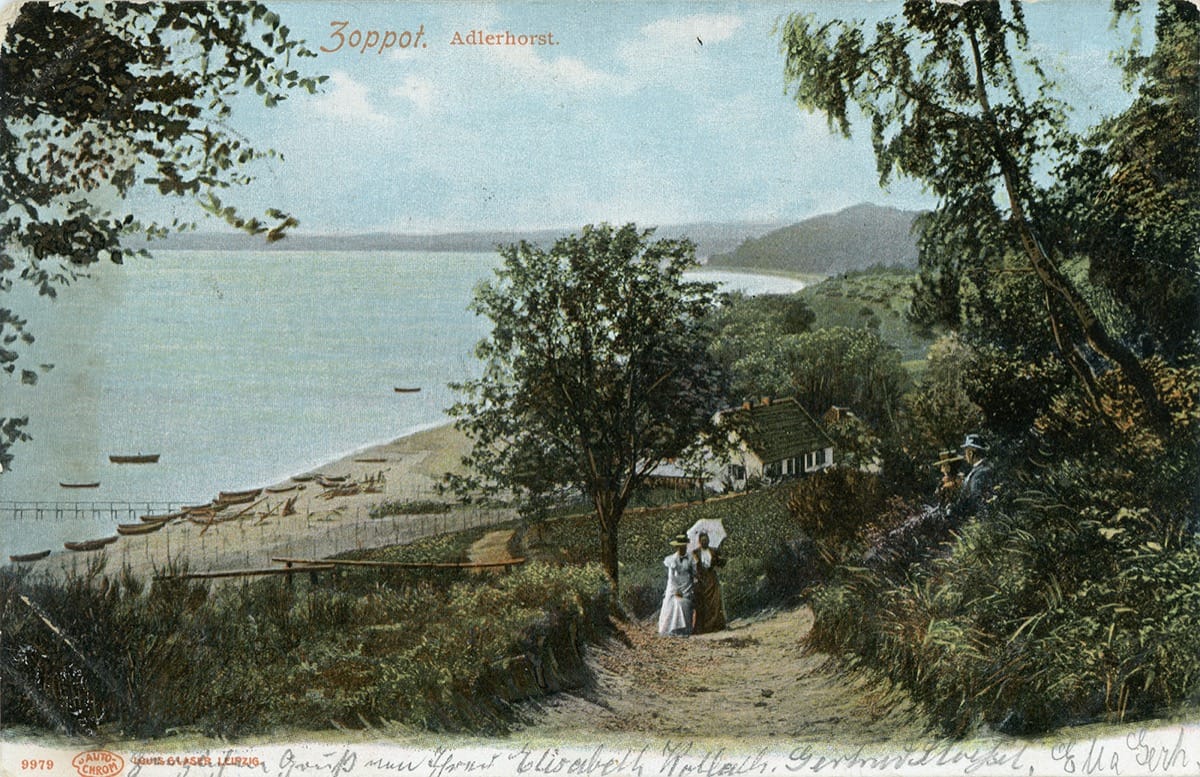
Johann Adler purchased the land where he first built an inn and later a hotel. In doing so, he established a summer resort in what would later become Orłowo, opening a new chapter in the region’s tourism history.
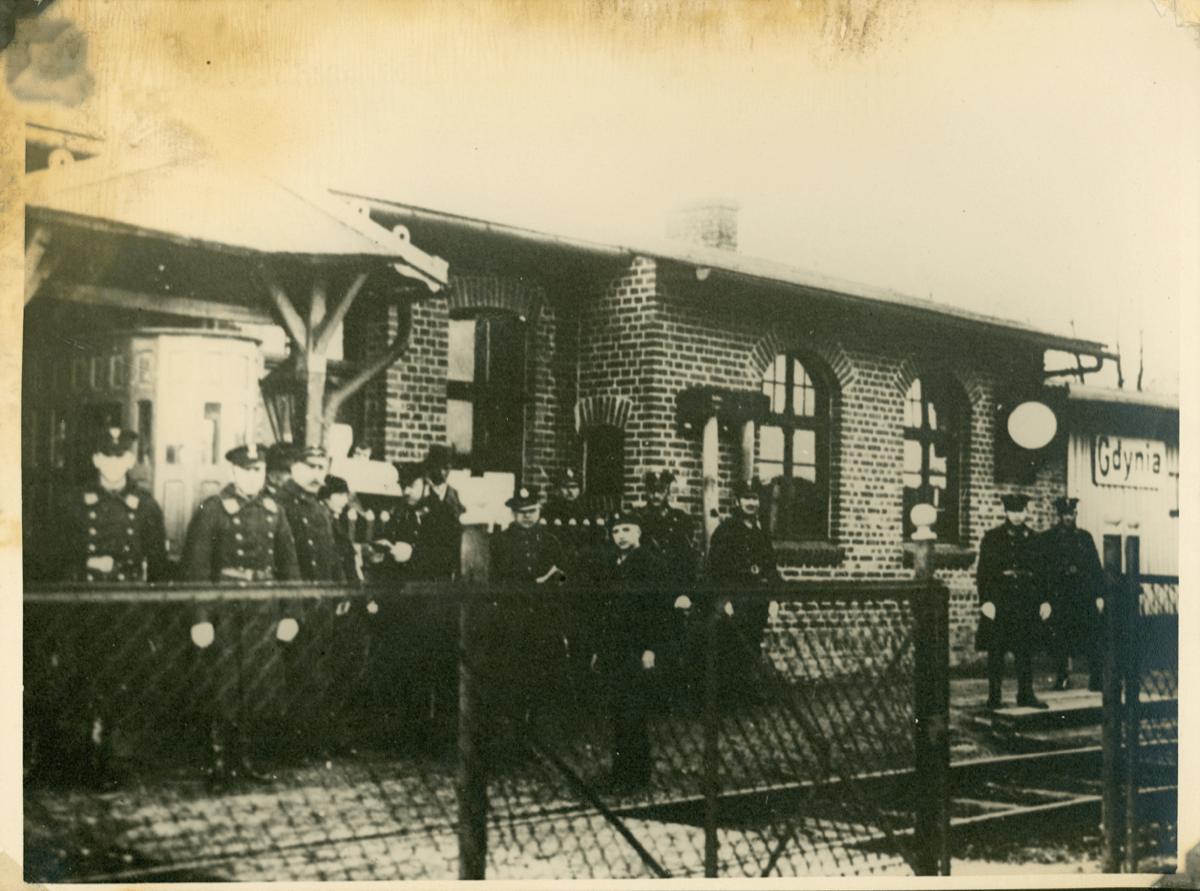
The railway line from Słupsk to Gdańsk was opened, with stations in Chylonia and Mały Kack. When the station in Gdynia was opened in 1894, the town gradually began to develop.
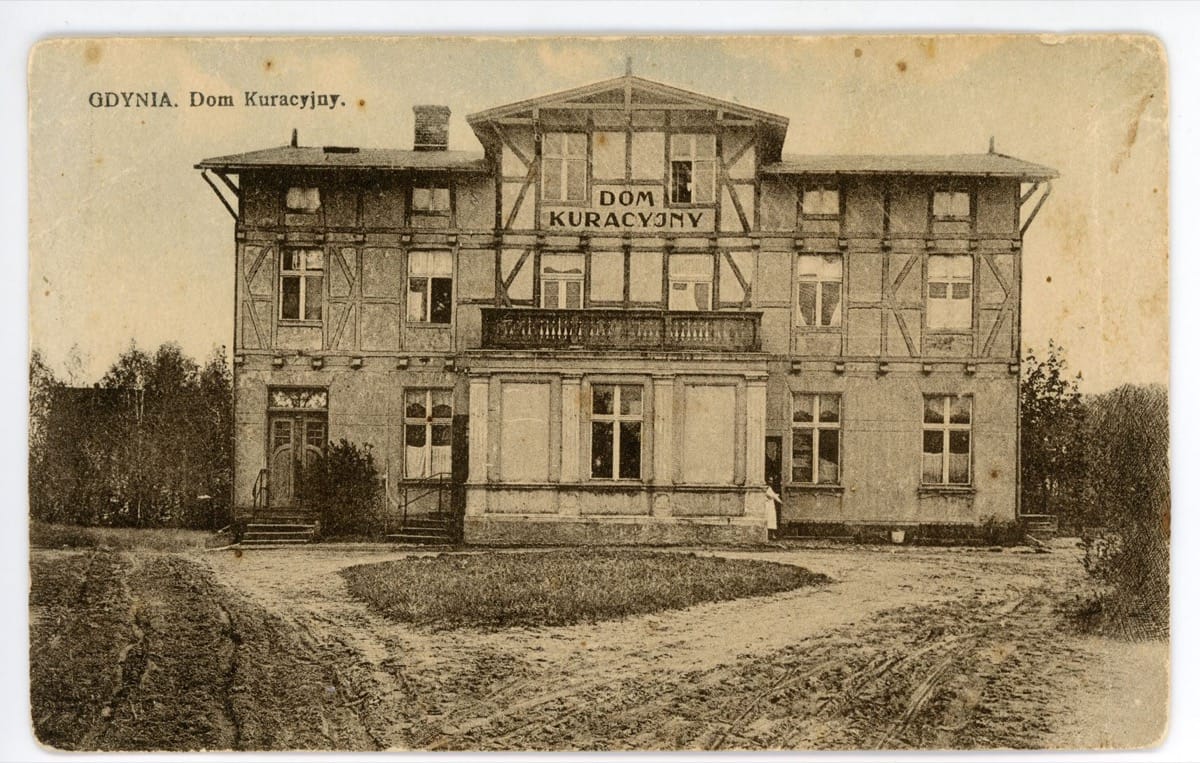
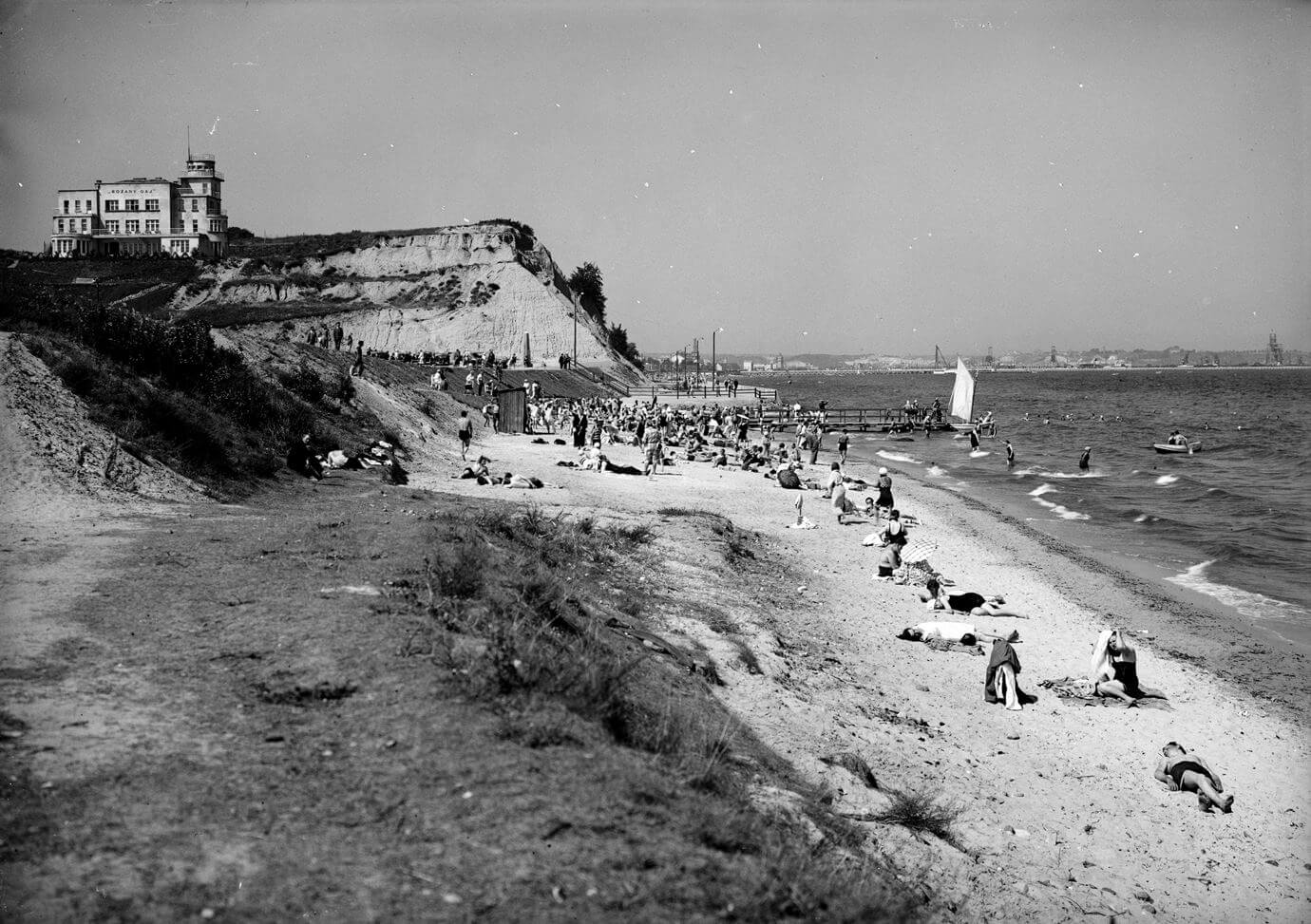
The Gdynia Baltic Bathing Society built the Resort House by the beach, marking a new stage in the development of the seaside resort. Soon, an avenue leading to it – today’s 10 Lutego Street – was laid out.
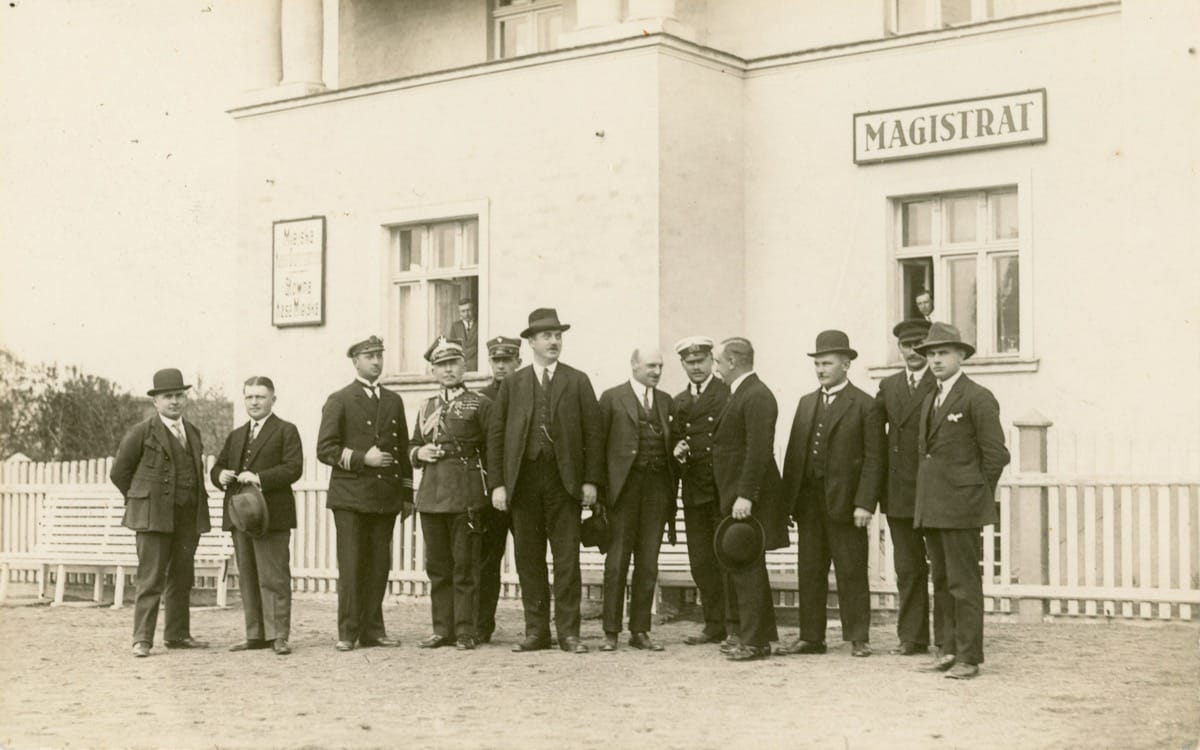
Poland officially regained access to the Baltic Sea. Symbolic Marriage with the Sea ceremony took place in Puck, and three days later, Polish troops reached Gdynia.
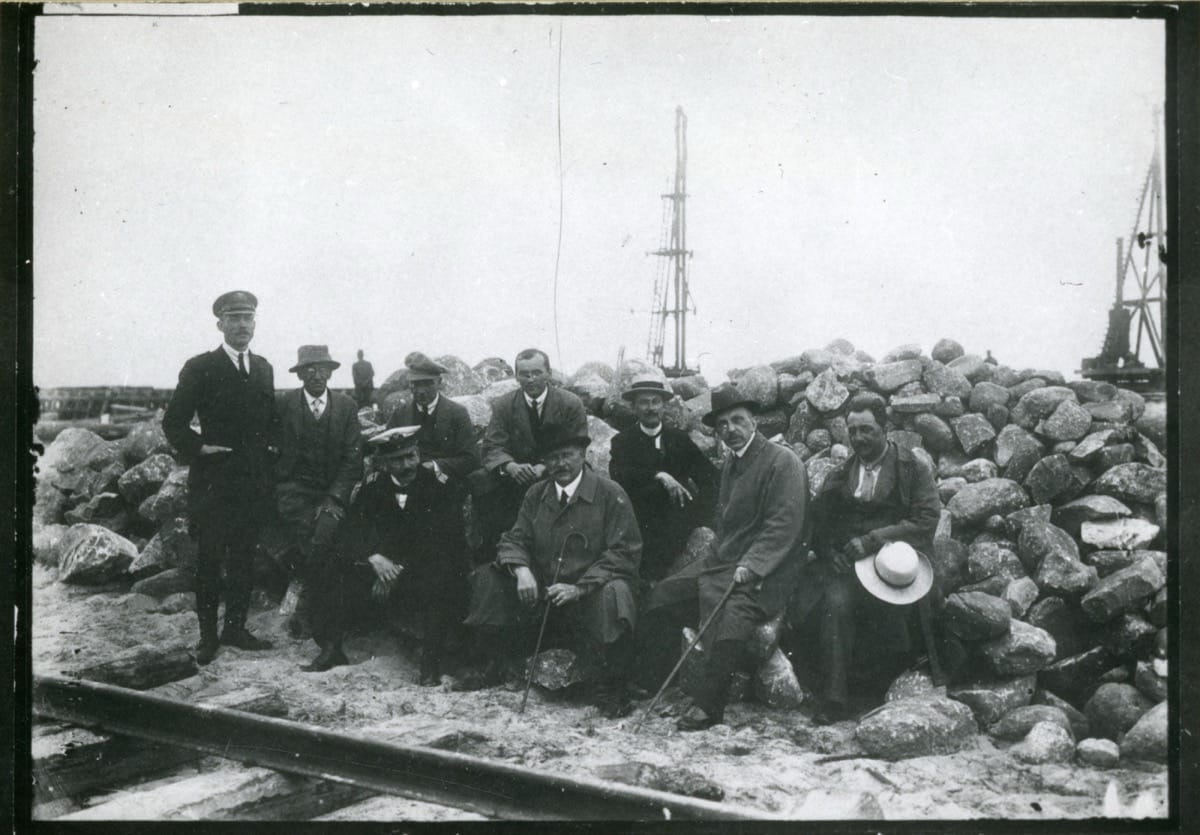
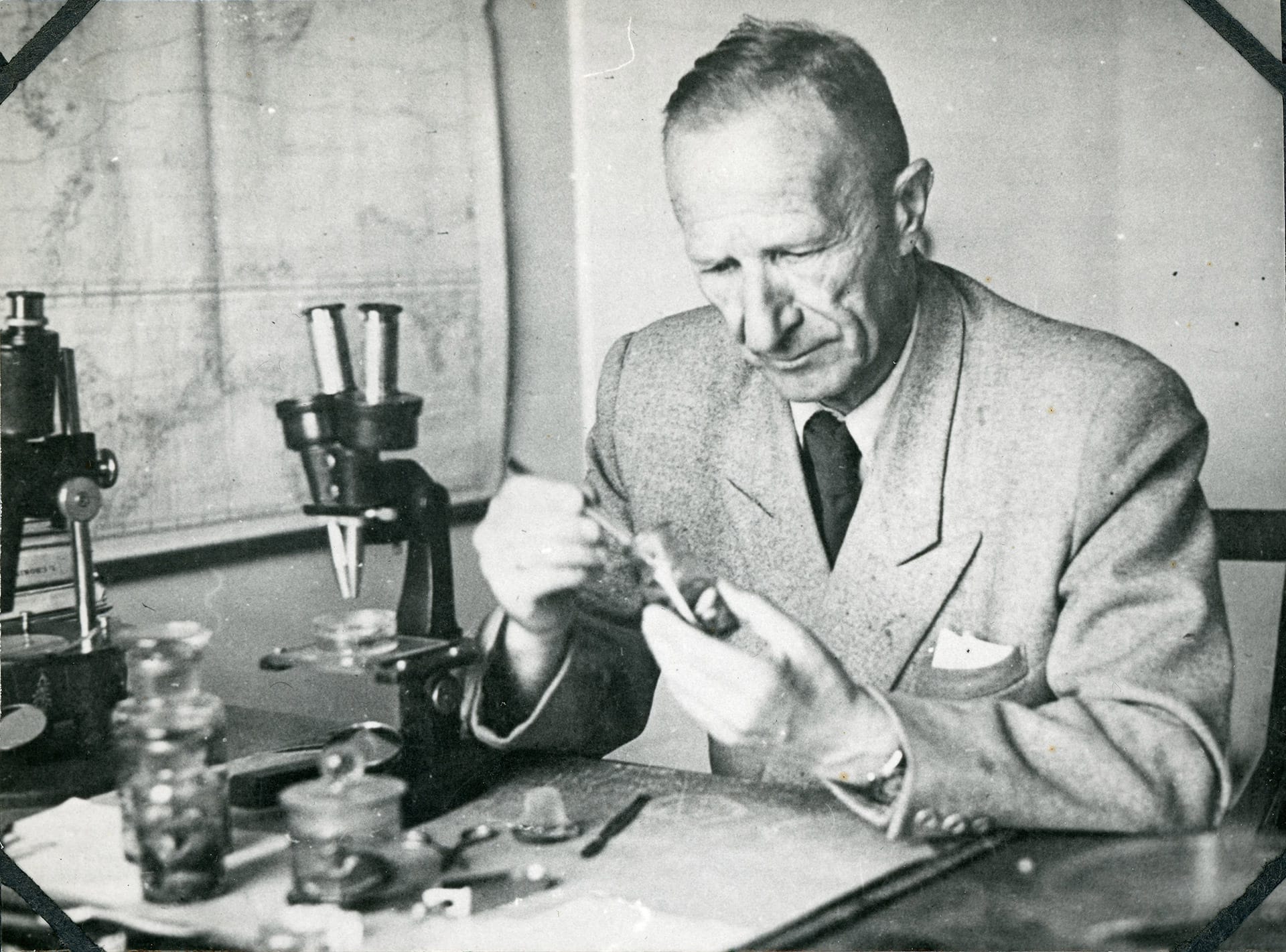
During a coastal reconnaissance, engineer Tadeusz Wenda identified Gdynia as the site for a future war port and a potential commercial port.
The Act on the Construction of the Port dated 23 September 1922, confirmed the state's maritime line of policy. Work had already been underway since the end of 1920, and on 29 May 1921 the port was officially inaugurated.
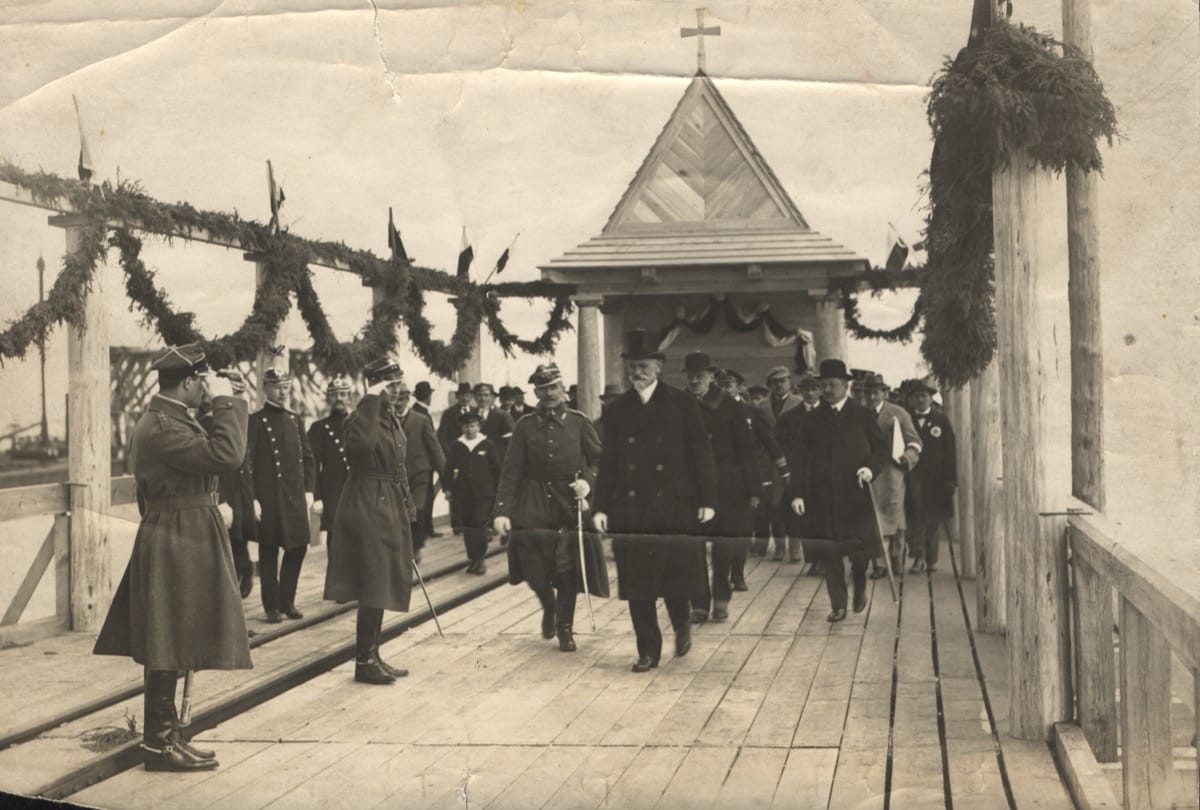
On 29 April 1923, the Temporary War Port and Fishermen’s Shelter were opened, and on 13 August 2023, the first ocean-going ship, S/S Kentucky, was served. Wooden structures were soon replaced with reinforced concrete.
By the decree of 10 February 1926, Gdynia was granted city rights (effective from 4 March). A hundred years have passed! Although the Sea Festival used to be celebrated more grandly in the past, the city’s birthday has been held on 10 February for many years.
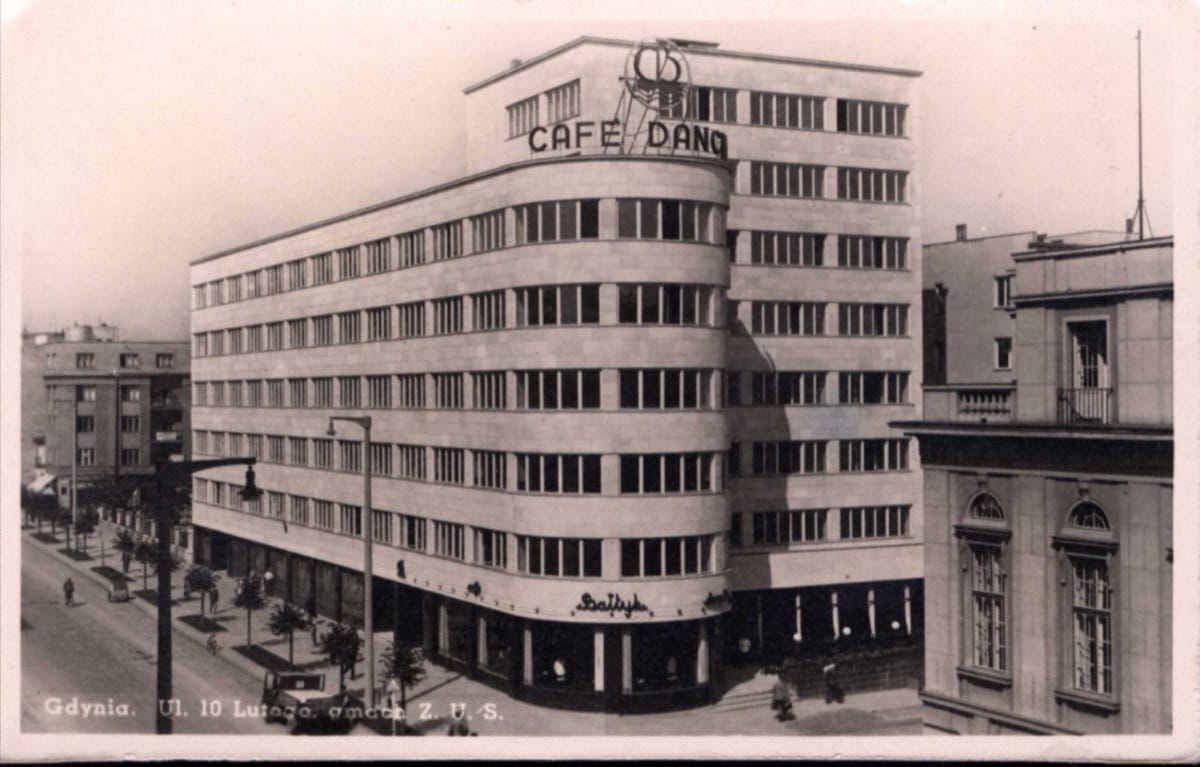
The first urban apartment house was built. Soon, traditional architectural trends began to be replaced by modernism. In 1936, the iconic Social Insurance Institution building (presently Gdynia City Hall) was completed.
The Port of Gdynia gained full independence in carrying out all the necessary operations it was responsible for. Thus, Poland was also no longer dependent on its neighbours.
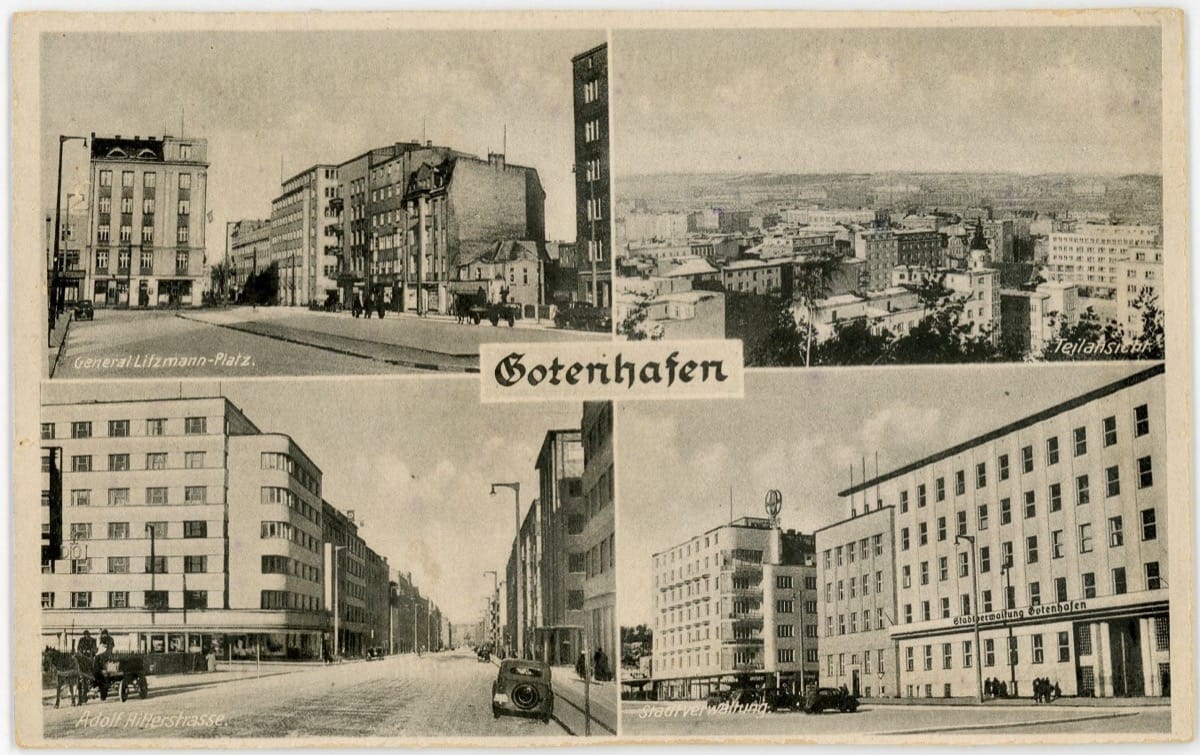
The capitulation of Gdynia, which was renamed Gotenhafen a few days later. On October 12, the first forced expulsions of residents began, later followed by organized deportations.
The executions carried out since the end of October in the Piaśnica Forests reached their peak. By spring 1940, they accounted for 12,000–14,000 victims, including residents of Pomerania, among them those from Gdynia.
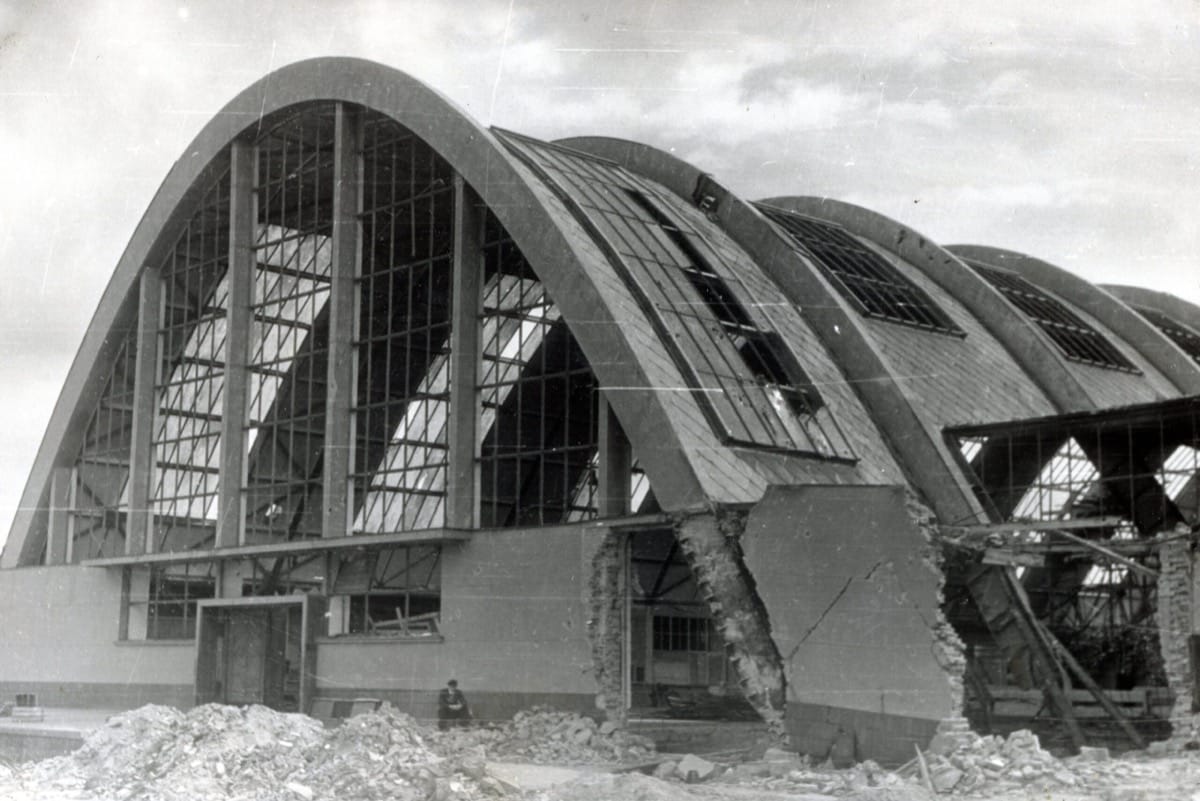
Soviet and Polish troops entered Gdynia. Around 10% of the city and 90% of the port had been destroyed. Reconstruction and restoration of maritime trade links began immediately.
An electric railway line to Gdynia was launched. Today’s SKM (Fast Urban Railway) not only permanently connected the Tricity, but also united it. Currently, there are nine SKM stops in Gdynia.
An agreement was signed between the authorities and the protesting workers, an unprecedented event in Poland. However, members of the strike committee were beaten and detained.
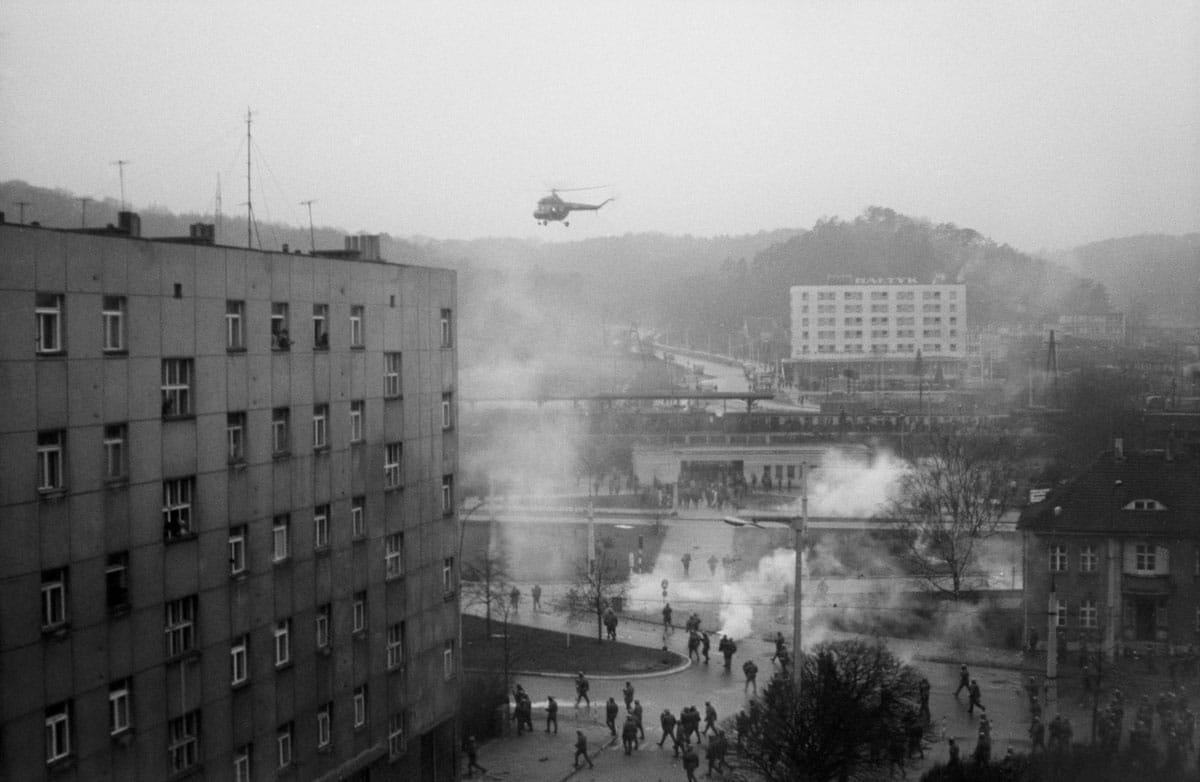
On the morning of 17 December 1970, workers heading to work were shot at. Among the 18 victims were also students. Many involved in the events were later persecuted by the authorities and employers.
Gdynia signed its first sister city agreement – with Plymouth, confirming its commitment to international cooperation. Today, it has 16 partner cities: 14 sister cities and 2 friendly cities.
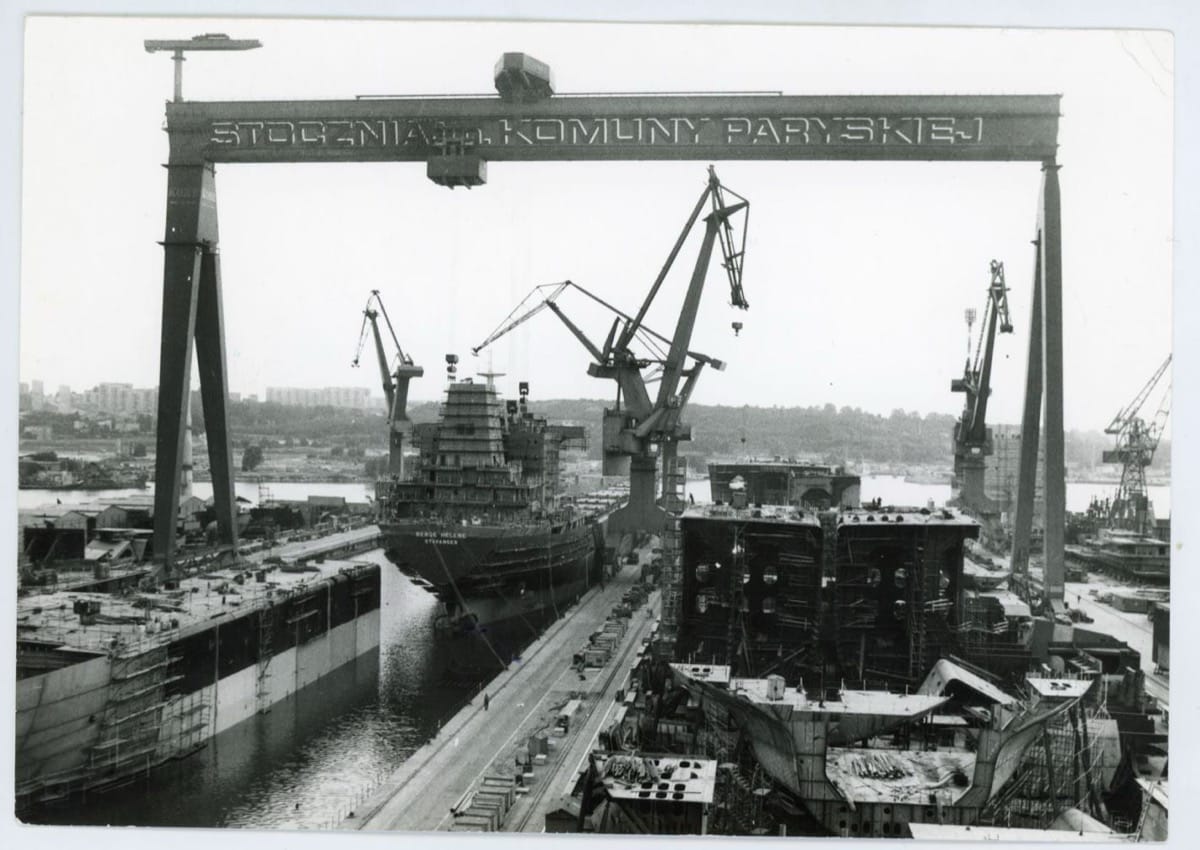
At the “Paris Commune” Shipyard, the second dry dock was launched (the first in 1961), along with its iconic gantry crane. The shipbuilding industry strengthened the region’s competitiveness.
The strikes spread across the entire country, including Gdynia. On 31st August, an agreement with the authorities was signed in Gdańsk. Solidarity's struggle for a better Poland was slowed down by martial law, which was imposed on 13 December 1981.
It is said that communism in Poland ended on 4 June 1989, but the process of change took three more years. The first local elections held on 27 May 1990 were particularly significant. They allowed Gdynia to decide for itself.
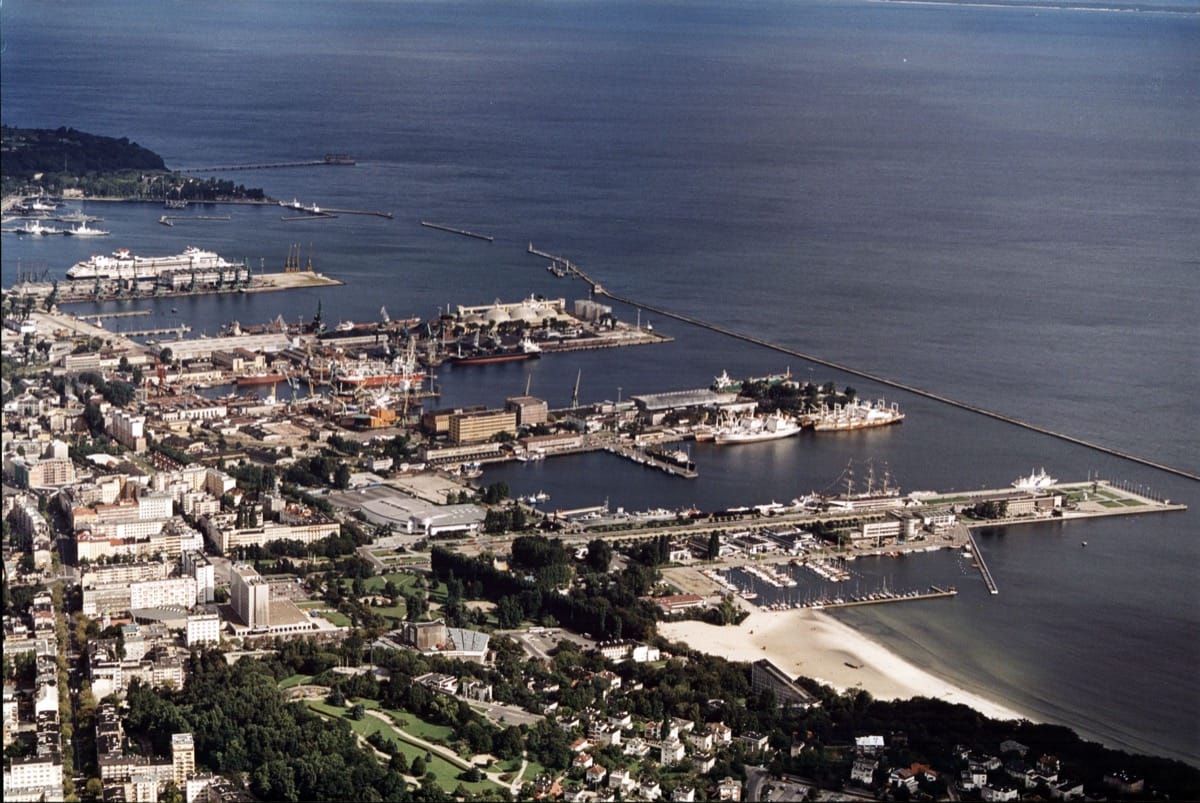
Poland’s path toward Europe and the world led to its accession to NATO on 12 March 1999 and entry into the European Union on 1 May 2004. The port of Gdynia became a base for NATO ships, and the city an active partner within the Union.
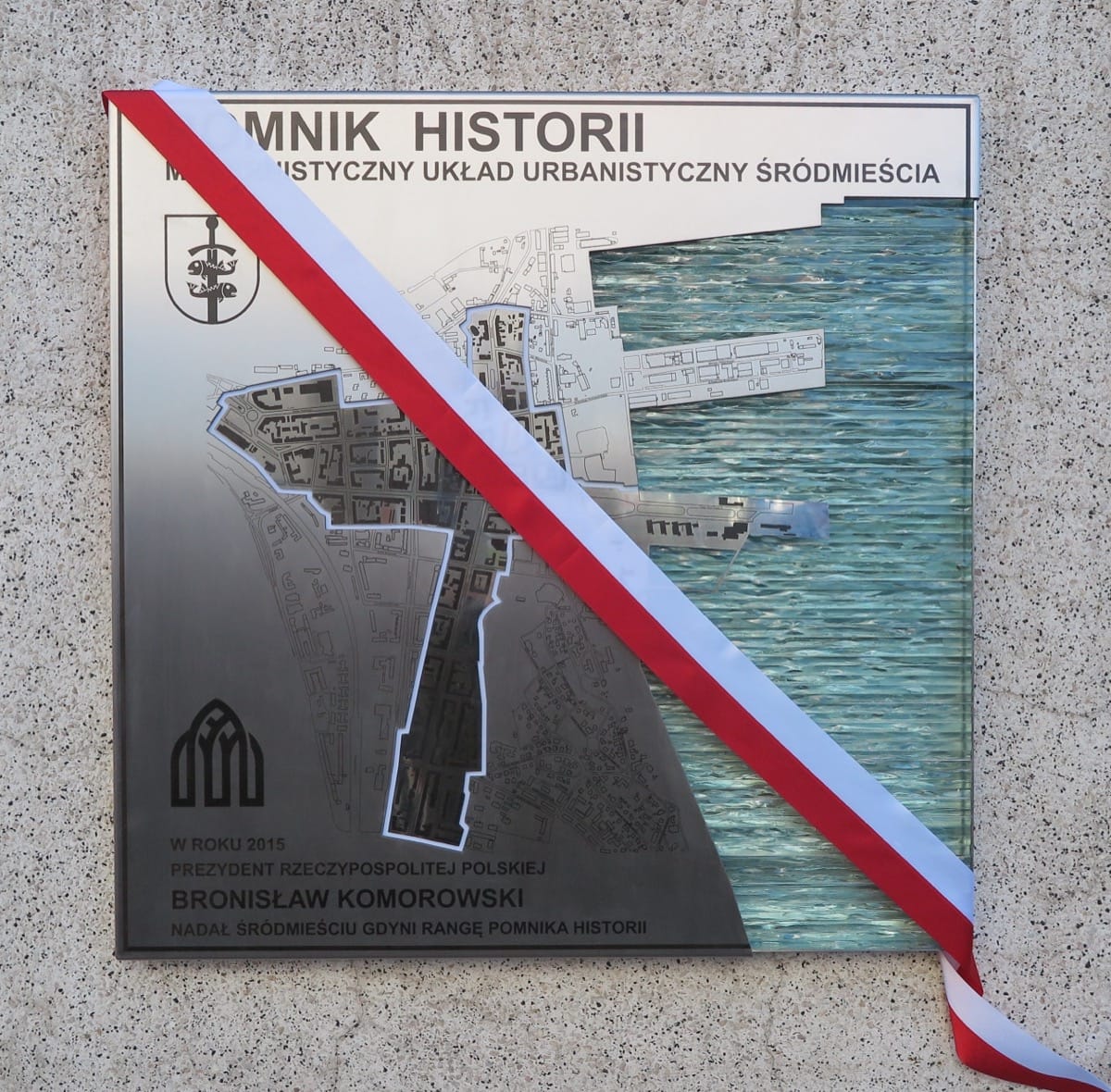
On 23 February 2015, the historic urban layout of Gdynia city centre’s was recognized as a Monument of History, accelerating efforts to preserve the heritage of its history, architecture, and community labor. The current goal is inclusion on the UNESCO World Heritage List.